Van Drawer System Dimensions: How to Measure for the Perfect Fit
📅
Ever tried to cram a bulky item into a drawer that's just a hair too small, or watched helplessly as your meticulously organized gear slides around in a cavernous, ill-fitting storage space? The frustration is real. But imagine instead a van where every item has its place, where drawers glide smoothly, and where every inch of space is utilized with purpose. That's the power of accurate measurements.
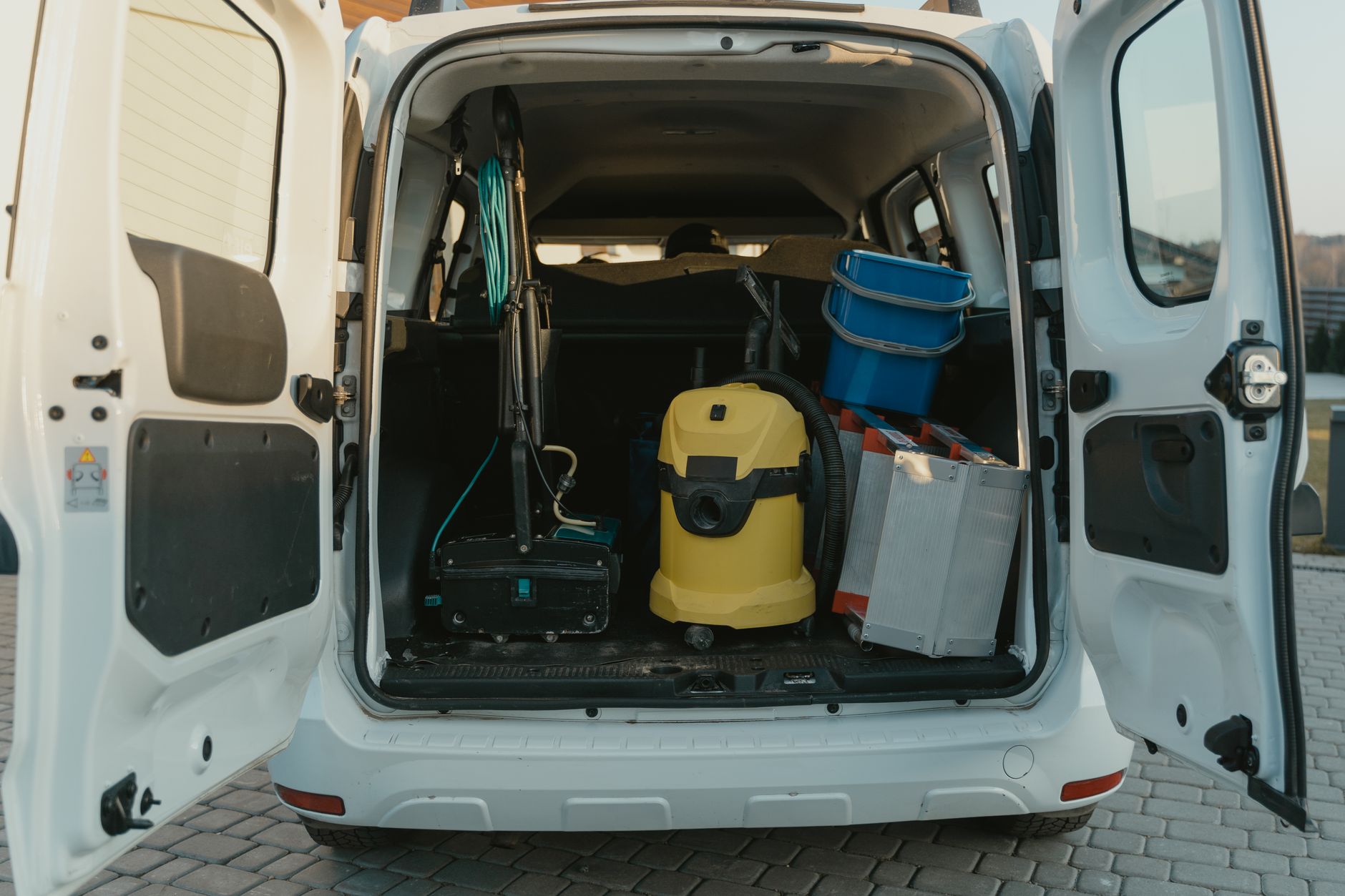 A well-fitted drawer system isn't just about storage; it's about transforming your van into a functional, organized, and enjoyable living space.
This guide is your roadmap to achieving van storage perfection. We'll walk you through a step-by-step process for precisely measuring your van's interior and translating those numbers into the ideal dimensions for your custom drawer system. Get ready to say goodbye to frustrating gaps and hello to a seamlessly integrated storage solution that enhances your van life experience.
Before we dive in, gather your tools: a reliable measuring tape, a level, a straight edge, and something to record your findings – be it a trusty notepad or your favorite digital note-taking app.
Think of accurate measurements as the foundation upon which your entire van build rests. Skimp on this crucial step, and you're setting yourself up for a cascade of potential problems.
Inaccurate measurements are the prime culprit behind those frustrating gaps and unused areas that plague many van conversions. Imagine the extra gear you could store if every inch was utilized effectively! A drawer system that's even slightly too large or too small can lead to binding, sticking, or drawers that simply refuse to close properly. This not only diminishes the user experience but can also damage the drawer system over time. Modifying a drawer system that doesn't fit is a time-consuming and potentially costly endeavor. Avoid the frustration and expense by getting it right from the start.
Precise measurements allow you to maximize the usable space within your van, ensuring that every nook and cranny is put to good use. This is especially important in the confined quarters of a van. Accurate dimensions are essential for creating a well-organized and efficient van layout. Knowing exactly how much space you have to work with allows you to strategically plan the placement of your drawer system and other essential components. A properly fitted drawer system is also safer during travel. Loose or poorly secured drawers can become projectiles in the event of sudden braking or an accident.
A well-fitted drawer system isn't just about storage; it's about transforming your van into a functional, organized, and enjoyable living space.
This guide is your roadmap to achieving van storage perfection. We'll walk you through a step-by-step process for precisely measuring your van's interior and translating those numbers into the ideal dimensions for your custom drawer system. Get ready to say goodbye to frustrating gaps and hello to a seamlessly integrated storage solution that enhances your van life experience.
Before we dive in, gather your tools: a reliable measuring tape, a level, a straight edge, and something to record your findings – be it a trusty notepad or your favorite digital note-taking app.
Think of accurate measurements as the foundation upon which your entire van build rests. Skimp on this crucial step, and you're setting yourself up for a cascade of potential problems.
Inaccurate measurements are the prime culprit behind those frustrating gaps and unused areas that plague many van conversions. Imagine the extra gear you could store if every inch was utilized effectively! A drawer system that's even slightly too large or too small can lead to binding, sticking, or drawers that simply refuse to close properly. This not only diminishes the user experience but can also damage the drawer system over time. Modifying a drawer system that doesn't fit is a time-consuming and potentially costly endeavor. Avoid the frustration and expense by getting it right from the start.
Precise measurements allow you to maximize the usable space within your van, ensuring that every nook and cranny is put to good use. This is especially important in the confined quarters of a van. Accurate dimensions are essential for creating a well-organized and efficient van layout. Knowing exactly how much space you have to work with allows you to strategically plan the placement of your drawer system and other essential components. A properly fitted drawer system is also safer during travel. Loose or poorly secured drawers can become projectiles in the event of sudden braking or an accident.
 Having the right tools is half the battle. Here's a breakdown of the essential instruments you'll need for accurate van measurements:
Measuring Tape (Steel or Fiberglass):A high-quality measuring tape is indispensable. Steel tapes are generally more durable and resistant to stretching, providing greater accuracy over long distances. However, they can be prone to kinking if not handled carefully. Fiberglass tapes are more flexible and less likely to kink, but they may stretch slightly over time, potentially affecting accuracy. Look for a tape with clear, easy-to-read markings and a secure locking mechanism. A length of at least 25 feet is recommended for most van measurements. *Level:A level is crucial for ensuring accurate vertical and horizontal measurements. A traditional spirit level, with its bubble indicator, is a reliable and affordable option for most van build projects. For larger vans or more complex layouts, a laser level can be a worthwhile investment. Laser levels project a beam of light, allowing you to establish a perfectly level line across a greater distance. However, be mindful of potential inaccuracies due to reflections or uneven surfaces. *Straight Edge (Ruler or Yardstick):A straight edge is essential for measuring smaller distances and ensuring straight lines, particularly when dealing with drawer faces and internal dimensions. A metal ruler is ideal for precision work, while a wooden yardstick can be useful for longer measurements. Consider a T-square for ensuring perpendicularity when marking cut lines. *Pencil and Paper (or Digital Note-Taking Device):Don't underestimate the importance of recording your measurements accurately. Whether you prefer the tactile feel of pen and paper or the convenience of a digital note-taking app, make sure you have a reliable method for capturing your findings. Organized note-taking is key to avoiding confusion later on. *Optional Tools: *Laser Distance Measurer:A laser distance measurer can speed up the measurement process, especially for larger vans. However, it's important to be aware of potential inaccuracies due to reflections or uneven surfaces. *Angle Finder/Protractor:An angle finder or protractor can be invaluable for measuring angles in non-square vans, ensuring that your drawer system fits snugly against the walls.
Now, let's get down to the nitty-gritty. Follow these steps carefully to ensure accurate measurements: Remove any existing furniture or obstructions to clear the area you'll be measuring to ensure unobstructed access.
Ensure the van is parked on a level surface to prevent skewed measurements. Clean the areas to be measured, as dust and debris can interfere with accurate measurements.
Length:Measure the length of the cargo area at floor level. Measure the length at different heights (e.g., halfway up the wall, at the ceiling) to account for any tapering. *Width:Measure the width of the cargo area at floor level. Measure the width at different heights, paying attention to wheel wells and other protrusions. *Height:Measure the height from the floor to the ceiling at various points. Note any areas with reduced headroom (e.g., near the doors). *Wheel Wells:Measure the height, width, and depth of the wheel wells. Consider how the wheel wells will affect drawer placement and design. *Doorways and Windows:Measure the dimensions of doorways and windows. Factor in the space needed for door and window operation. *Electrical Components and Wiring:Identify the location of any electrical components or wiring. Ensure the drawer system doesn't interfere with these components.
Vans aren't perfect rectangles. Use a flexible measuring tape or contour gauge to map curved surfaces. Take multiple measurements at different points along the curve. Document any irregularities or uneven surfaces meticulously. These seemingly small deviations can significantly impact the fit of your drawer system.
Now that you have a comprehensive set of measurements, it's time to translate them into the ideal dimensions for your drawer system. This is where your vision starts to take shape.
Before diving into calculations, take a moment to inventory your gear and equipment. What items will you be storing in your drawer system? Determine the required drawer sizes and configurations based on these needs. Prioritize frequently used items and allocate space accordingly. Think about the weight of the items you'll be storing as well, as this will influence the materials you choose for your drawer system.
This is where precision meets practicality. Let's say you're working with a van that has an interior width of 68 inches between the walls at floor level, and you want to build a drawer system that spans the entire width. You plan to use drawer slides that require 0.5 inches of clearance on each side of the drawer box. You also want to use 0.75-inch thick plywood for the drawer boxes.
Here's how you'd calculate the maximum width of each drawer box:
1.Total Clearance:0.5 inches (slide clearance) 2 (sides) = 1 inch
2. *Material Thickness:0.75 inches (plywood thickness) 2 (sides) = 1.5 inches
3. *Total Subtraction:1 inch (clearance) + 1.5 inches (material) = 2.5 inches
4.Maximum Drawer Box Width:68 inches (interior width) - 2.5 inches (total subtraction) = 65.5 inches
Therefore, the maximum width of each drawer box in your system should be 65.5 inches to ensure proper fit and smooth operation. Remember to apply this same logic to calculate the height and depth of your drawers, considering the available space and the dimensions of the items you'll be storing.
Optimize drawer placement for easy access. Consider the ergonomics of drawer height and reach. Ensure drawers don't obstruct doorways or walkways. Think about how you'll be using the drawers in your daily van life. Will you need to access them from inside or outside the van? Will you need to access them while other furniture is in use?
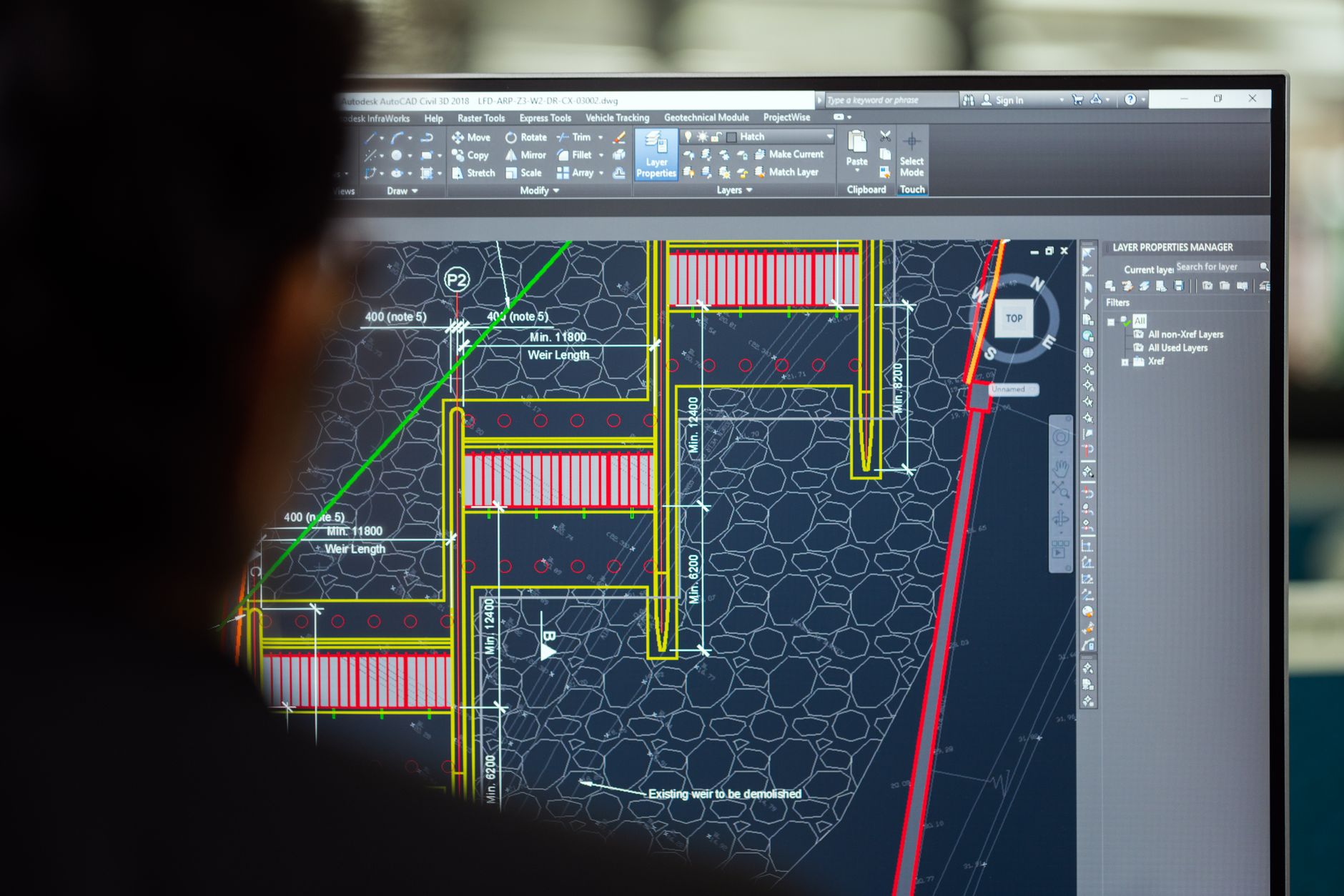
While not essential, using CAD software can be incredibly beneficial for visualizing the drawer system in 3D. This allows you to experiment with different configurations and identify potential issues before you start building. Alternatively, create detailed sketches with accurate dimensions. Share designs with manufacturers or fabricators if you plan to outsource any part of the construction.
Having the right tools is half the battle. Here's a breakdown of the essential instruments you'll need for accurate van measurements:
Measuring Tape (Steel or Fiberglass):A high-quality measuring tape is indispensable. Steel tapes are generally more durable and resistant to stretching, providing greater accuracy over long distances. However, they can be prone to kinking if not handled carefully. Fiberglass tapes are more flexible and less likely to kink, but they may stretch slightly over time, potentially affecting accuracy. Look for a tape with clear, easy-to-read markings and a secure locking mechanism. A length of at least 25 feet is recommended for most van measurements. *Level:A level is crucial for ensuring accurate vertical and horizontal measurements. A traditional spirit level, with its bubble indicator, is a reliable and affordable option for most van build projects. For larger vans or more complex layouts, a laser level can be a worthwhile investment. Laser levels project a beam of light, allowing you to establish a perfectly level line across a greater distance. However, be mindful of potential inaccuracies due to reflections or uneven surfaces. *Straight Edge (Ruler or Yardstick):A straight edge is essential for measuring smaller distances and ensuring straight lines, particularly when dealing with drawer faces and internal dimensions. A metal ruler is ideal for precision work, while a wooden yardstick can be useful for longer measurements. Consider a T-square for ensuring perpendicularity when marking cut lines. *Pencil and Paper (or Digital Note-Taking Device):Don't underestimate the importance of recording your measurements accurately. Whether you prefer the tactile feel of pen and paper or the convenience of a digital note-taking app, make sure you have a reliable method for capturing your findings. Organized note-taking is key to avoiding confusion later on. *Optional Tools: *Laser Distance Measurer:A laser distance measurer can speed up the measurement process, especially for larger vans. However, it's important to be aware of potential inaccuracies due to reflections or uneven surfaces. *Angle Finder/Protractor:An angle finder or protractor can be invaluable for measuring angles in non-square vans, ensuring that your drawer system fits snugly against the walls.
Now, let's get down to the nitty-gritty. Follow these steps carefully to ensure accurate measurements: Remove any existing furniture or obstructions to clear the area you'll be measuring to ensure unobstructed access.
Ensure the van is parked on a level surface to prevent skewed measurements. Clean the areas to be measured, as dust and debris can interfere with accurate measurements.
Length:Measure the length of the cargo area at floor level. Measure the length at different heights (e.g., halfway up the wall, at the ceiling) to account for any tapering. *Width:Measure the width of the cargo area at floor level. Measure the width at different heights, paying attention to wheel wells and other protrusions. *Height:Measure the height from the floor to the ceiling at various points. Note any areas with reduced headroom (e.g., near the doors). *Wheel Wells:Measure the height, width, and depth of the wheel wells. Consider how the wheel wells will affect drawer placement and design. *Doorways and Windows:Measure the dimensions of doorways and windows. Factor in the space needed for door and window operation. *Electrical Components and Wiring:Identify the location of any electrical components or wiring. Ensure the drawer system doesn't interfere with these components.
Vans aren't perfect rectangles. Use a flexible measuring tape or contour gauge to map curved surfaces. Take multiple measurements at different points along the curve. Document any irregularities or uneven surfaces meticulously. These seemingly small deviations can significantly impact the fit of your drawer system.
Now that you have a comprehensive set of measurements, it's time to translate them into the ideal dimensions for your drawer system. This is where your vision starts to take shape.
Before diving into calculations, take a moment to inventory your gear and equipment. What items will you be storing in your drawer system? Determine the required drawer sizes and configurations based on these needs. Prioritize frequently used items and allocate space accordingly. Think about the weight of the items you'll be storing as well, as this will influence the materials you choose for your drawer system.
This is where precision meets practicality. Let's say you're working with a van that has an interior width of 68 inches between the walls at floor level, and you want to build a drawer system that spans the entire width. You plan to use drawer slides that require 0.5 inches of clearance on each side of the drawer box. You also want to use 0.75-inch thick plywood for the drawer boxes.
Here's how you'd calculate the maximum width of each drawer box:
1.Total Clearance:0.5 inches (slide clearance) 2 (sides) = 1 inch
2. *Material Thickness:0.75 inches (plywood thickness) 2 (sides) = 1.5 inches
3. *Total Subtraction:1 inch (clearance) + 1.5 inches (material) = 2.5 inches
4.Maximum Drawer Box Width:68 inches (interior width) - 2.5 inches (total subtraction) = 65.5 inches
Therefore, the maximum width of each drawer box in your system should be 65.5 inches to ensure proper fit and smooth operation. Remember to apply this same logic to calculate the height and depth of your drawers, considering the available space and the dimensions of the items you'll be storing.
Optimize drawer placement for easy access. Consider the ergonomics of drawer height and reach. Ensure drawers don't obstruct doorways or walkways. Think about how you'll be using the drawers in your daily van life. Will you need to access them from inside or outside the van? Will you need to access them while other furniture is in use?
While not essential, using CAD software can be incredibly beneficial for visualizing the drawer system in 3D. This allows you to experiment with different configurations and identify potential issues before you start building. Alternatively, create detailed sketches with accurate dimensions. Share designs with manufacturers or fabricators if you plan to outsource any part of the construction.
 Double-check your measurements meticulously. Verify all measurements before proceeding to the next step.
Measure multiple times at each point to minimize errors. Consistency is key. Use consistent units of measurement, sticking to either inches or millimeters throughout the process. Mixing units can lead to costly mistakes.
Account for tolerances by adding a small margin of error to your measurements. This provides some wiggle room in case of slight imperfections. Measuring Without Removing Obstructions: Ensure a clear and unobstructed measuring area.
Not Accounting for Wall Curvature: Vans are rarely perfectly square; address curves and irregularities. Neglecting Wheel Well Dimensions: Wheel wells significantly impact drawer placement.
Forgetting About Drawer Slide Clearances: Drawer slides require space for proper operation. Assuming Walls Are Perfectly Square: Always verify squareness with a level and square.
It's easy to get caught up in the excitement of a build and overlook crucial details. One common pitfall, as highlighted in a reddit thread about a sloped concrete foundation, is failing to verify site conditions. As one user pointed out, "
Double-check your measurements meticulously. Verify all measurements before proceeding to the next step.
Measure multiple times at each point to minimize errors. Consistency is key. Use consistent units of measurement, sticking to either inches or millimeters throughout the process. Mixing units can lead to costly mistakes.
Account for tolerances by adding a small margin of error to your measurements. This provides some wiggle room in case of slight imperfections. Measuring Without Removing Obstructions: Ensure a clear and unobstructed measuring area.
Not Accounting for Wall Curvature: Vans are rarely perfectly square; address curves and irregularities. Neglecting Wheel Well Dimensions: Wheel wells significantly impact drawer placement.
Forgetting About Drawer Slide Clearances: Drawer slides require space for proper operation. Assuming Walls Are Perfectly Square: Always verify squareness with a level and square.
It's easy to get caught up in the excitement of a build and overlook crucial details. One common pitfall, as highlighted in a reddit thread about a sloped concrete foundation, is failing to verify site conditions. As one user pointed out, "
A well-organized van with ample storage is crucial for comfortable van life.
Measuring and recording dimensions for a van drawer system to ensure safe and secure storage.
Accurate measurements, as visualized in CAD software, are essential for a well-fitted van drawer system.
Any and all plans for remodels should be subject to site conditions and verified by the GC." This applies to van builds too! Don't blindly trust your initial assumptions; always double-check and verify. Another user shared a similar sentiment, emphasizing the importance of understanding the plans. They said, "
I couldn't really follow what you were describing. Did the plans specify that slope? If so, talk to the engineer about that error. That's why they have to carry errors and omissions insurance." This highlights the need to thoroughly understand your design and plans before starting any work. In the context of a van build, this means understanding your measurements and how they translate into the final drawer system design. Investing the time and effort to take accurate measurements is an investment in the overall functionality, organization, and enjoyment of your van. A well-designed and properly fitted drawer system maximizes your precious space, eliminates frustrating gaps, and creates a seamless, integrated storage solution. By avoiding common mistakes and paying attention to the details, you can transform your van into a mobile home that truly works for you, making your adventures on the road more comfortable, efficient, and enjoyable. Ready to take the next step? Explore our selection of high-quality van drawer system components and DIY plans to bring your vision to life! [Link to relevant products or services]