How Engineers Taking Sales Calls Revolutionized Product Design
📅
Imagine Sarah, one of our senior developers at [Your Company Name], usually immersed in code, suddenly navigating a live sales call.
 A customer was struggling with a feature that seemed straightforward to us, but was clearly a pain point. At [Your Company Name], we build [briefly describe your product/platform - e.g., a project management platform for creative teams]. We were facing a growing number of support tickets and a sense that our users weren't fully grasping the platform's potential. Our solution, while unconventional, proved transformative: we had our engineers take sales calls.
This wasn't about punishment or blame; it was a calculated effort to bridge the gap between those who build and those who use our platform. This initiative sparked a revolution in our product design, leading to a complete platform rewrite, a significant simplification of features, and a deeper understanding of our users' needs. It demonstrated that sometimes, the most effective way to improve a product is to immerse its creators in the user experience.
A customer was struggling with a feature that seemed straightforward to us, but was clearly a pain point. At [Your Company Name], we build [briefly describe your product/platform - e.g., a project management platform for creative teams]. We were facing a growing number of support tickets and a sense that our users weren't fully grasping the platform's potential. Our solution, while unconventional, proved transformative: we had our engineers take sales calls.
This wasn't about punishment or blame; it was a calculated effort to bridge the gap between those who build and those who use our platform. This initiative sparked a revolution in our product design, leading to a complete platform rewrite, a significant simplification of features, and a deeper understanding of our users' needs. It demonstrated that sometimes, the most effective way to improve a product is to immerse its creators in the user experience.
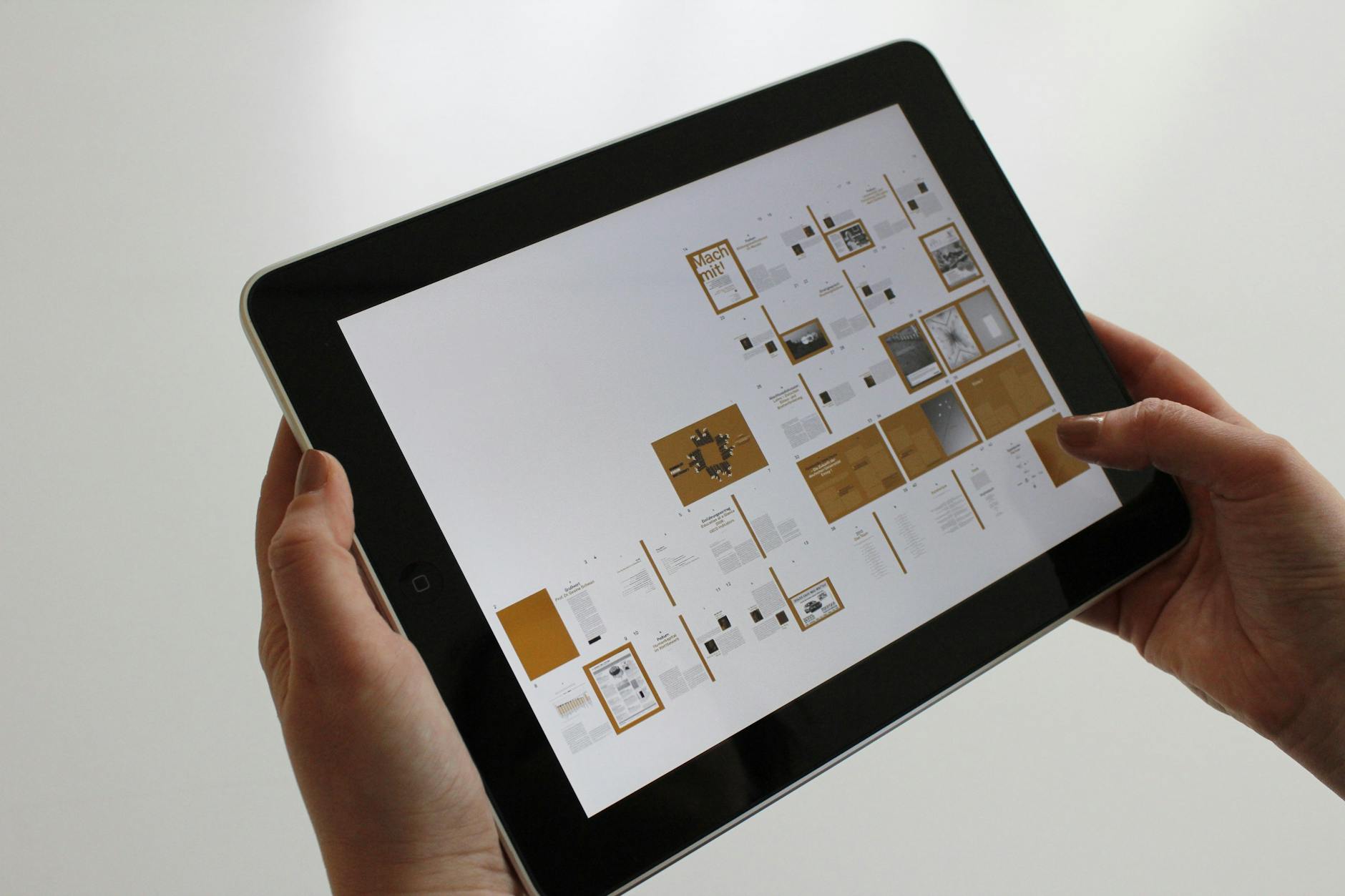

Sarah, one of our senior developers, navigates a sales call, demonstrating the importance of engineers understanding user experiences firsthand.
The Initial Resistance: Engineers and the Sales Floor
The idea of engineers taking sales calls was initially met with understandable hesitation. Engineers are typically focused on building, problem-solving, and optimizing code, not engaging in sales conversations. Here's why this initiative initially faced resistance within our engineering team:- Disruption of Workflow: Engineers often prioritize focused, uninterrupted work. Sales calls were perceived as a disruption, pulling them away from critical development tasks and potentially impacting project timelines.
- Lack of Sales Experience: Many engineers lacked formal sales training and felt uncomfortable navigating customer interactions, particularly when addressing complaints or technical misunderstandings. This created anxiety and a feeling of inadequacy.
- Perceived Role Definition: There was a natural inclination to view sales calls as the sole responsibility of the sales team. Engineers saw themselves as builders, while salespeople were communicators. This division of labor felt natural and efficient.
Management's Rationale: Bridging the User Gap
Despite the initial resistance, management remained committed to the initiative, driven by the conviction that direct user exposure would be invaluable for our engineers. Here's why management believed in this approach:- Unfiltered User Feedback: Sales calls provide direct access to user frustrations, allowing engineers to hear firsthand the challenges users face. This unfiltered feedback is far more impactful than second-hand reports or aggregated analytics.
- Nuanced Understanding of User Behavior: Observing how users actually interact with the platform, rather than relying solely on data, provides a more nuanced understanding of user behavior. This allows engineers to see the platform through the eyes of the user.
- Empathy and User-Centric Design: By directly engaging with users, engineers develop empathy and a deeper understanding of customer needs. This leads to more user-centric design decisions and a greater sense of ownership over the user experience.
Overcoming the Resistance: Training and Support Systems
To facilitate the transition and address the engineers' concerns, we implemented several support measures:- Sales Training: We provided engineers with basic sales training, including call scripts, objection handling techniques, and product knowledge refreshers. This helped them feel more confident and prepared for customer interactions.
- Mentorship Program: Engineers were paired with experienced sales representatives who acted as mentors, providing guidance and support during calls. This allowed them to learn from seasoned professionals and receive real-time feedback.
- Reinforcement of Value: We constantly reinforced the idea that the feedback gathered during sales calls was crucial for product improvement and would directly impact their work. This helped them understand the importance of their participation and feel valued for their contributions.
The Aha! Moments: Unveiling User Pain Points
The initial discomfort gradually gave way to a series of "aha!" moments as engineers began to uncover the root causes of user frustration. Here are some common user complaints revealed through sales calls:- Technical Jargon: Users struggled with technical terms and industry jargon that were prevalent throughout the platform, creating confusion and hindering their ability to use the platform effectively.
- Feature Bloat: The platform was perceived as bloated with features that were rarely used, making it difficult for users to find the functionalities they needed and creating a sense of overwhelm.
- Intuitive Navigation: The navigation was unintuitive, and users often struggled to locate specific features or settings, leading to frustration and wasted time.
An example of the messy, feature-rich UI that confused users before the platform rewrite.
Actionable Feedback: Tracking and Analyzing User Complaints
To ensure that the feedback was actionable, we implemented a structured system for collecting, categorizing, and prioritizing user complaints. We used Jira, our project management software, to log each call as a separate ticket. Within each ticket, we documented the specific issues raised by the user, including direct quotes and detailed descriptions of the problems they encountered. We then categorized these issues using custom labels within Jira, based on recurring themes and patterns. Examples of these categories included:- Terminology: Issues related to technical jargon or unclear language.
- Navigation: Problems with finding specific features or settings.
- Feature Complexity: Complaints about overly complex or confusing features.
- Onboarding: Difficulties encountered during the initial setup and training process.
The Platform Rewrite: Simplifying and Streamlining for the User
Armed with a wealth of user feedback, we embarked on a major platform rewrite, focusing on simplification and streamlining. We used the data from the sales calls to identify the essential features that users relied on most. We then prioritized these features, ensuring that they were easily accessible and intuitive to use. Underutilized and confusing features were either eliminated or significantly simplified. The UI was redesigned with a focus on intuitive navigation and clear terminology. We streamlined workflows, reducing the number of steps required to complete common tasks. We replaced technical jargon with plain language, making the platform more accessible to a wider audience. The rewrite presented several technical challenges, including migrating data from the old platform to the new one, ensuring compatibility with existing integrations, and maintaining performance during the transition. We addressed these challenges by using a phased rollout approach, carefully testing each new feature before releasing it to the wider user base. One of the most significant changes was the simplification of the onboarding process. Based on user feedback, we created a series of interactive tutorials that guided new users through the platform's core functionalities. We also redesigned the navigation menu, making it easier for users to find the features they needed.
Code on screen reflects the effort to simplify the platform, as seen through the lens of user feedback gathered from sales calls, leading to improved interface and reduced technical jargon.
Quantifiable Results: Reduced Support Tickets and Improved User Satisfaction
The results of the platform rewrite were significant. Here are some quantifiable improvements we observed:- Reduced Support Tickets: We saw a 40% decrease in support ticket volume. Before the rewrite, we averaged 150 support tickets per week. After the rewrite, this number dropped to 90. The simplified platform resulted in a significant reduction in the number of support tickets, freeing up our support team to focus on more complex issues.
- Improved User Satisfaction: User satisfaction scores, as measured by Net Promoter Score (NPS), increased by 25%. Our NPS score rose from 32 to 40. This indicates that users were more likely to recommend the platform to others.
- Increased User Engagement: We observed a 15% improvement in user engagement metrics. Users were spending more time on the platform and completing more tasks, indicating that they were finding it more valuable and engaging.
Key Takeaways: Lessons Learned and Best Practices
This experience taught us valuable lessons about the importance of direct customer interaction for engineers. Here are some key takeaways:- Direct Customer Interaction: Direct customer interaction fosters empathy and user understanding, leading to more user-centric design decisions.
- Feedback Loop: Establishing a formal process for sharing user feedback between sales and engineering ensures that valuable insights are not lost.
- Start Small: Begin with a pilot program involving a small group of engineers and a limited number of sales calls.
- Provide Training and Support: Ensure that engineers receive adequate training and support to feel comfortable and confident in their interactions with customers.
- Track and Measure Results: Track and measure the results of the program to demonstrate its value and identify areas for improvement.